Travel writers like to call Chiang Mai the rose of the north, which is fine as far as nicknames go but obscures something more useful. The city is the capital of an old kingdom. Until the late nineteenth century, the mountains and river valleys of northern Thailand were governed from here, by a court with its own script, its own architecture, its own court cuisine, and its own quietly distinct attitude toward strangers. Most of the things that make Chiang Mai feel different from Bangkok — the slower pace, the gentler greetings, the careful food — trace back to that older world.
You cannot really understand the way the city hosts visitors today without understanding the Lanna Kingdom legacy that still sits under everything. It is not on display. There is no Lanna theme park. It is something more like a grammar that the city has not bothered to forget.
A Different Kind of Welcome
The first thing visitors usually notice, if they have spent time elsewhere in Thailand first, is the volume. Chiang Mai is quieter. The greetings are softer. The wai — the palms-pressed bow that begins almost every interaction — is held a fraction longer, and is offered to a wider range of people. Older travellers, in particular, often comment on feeling more attended to than they expect.
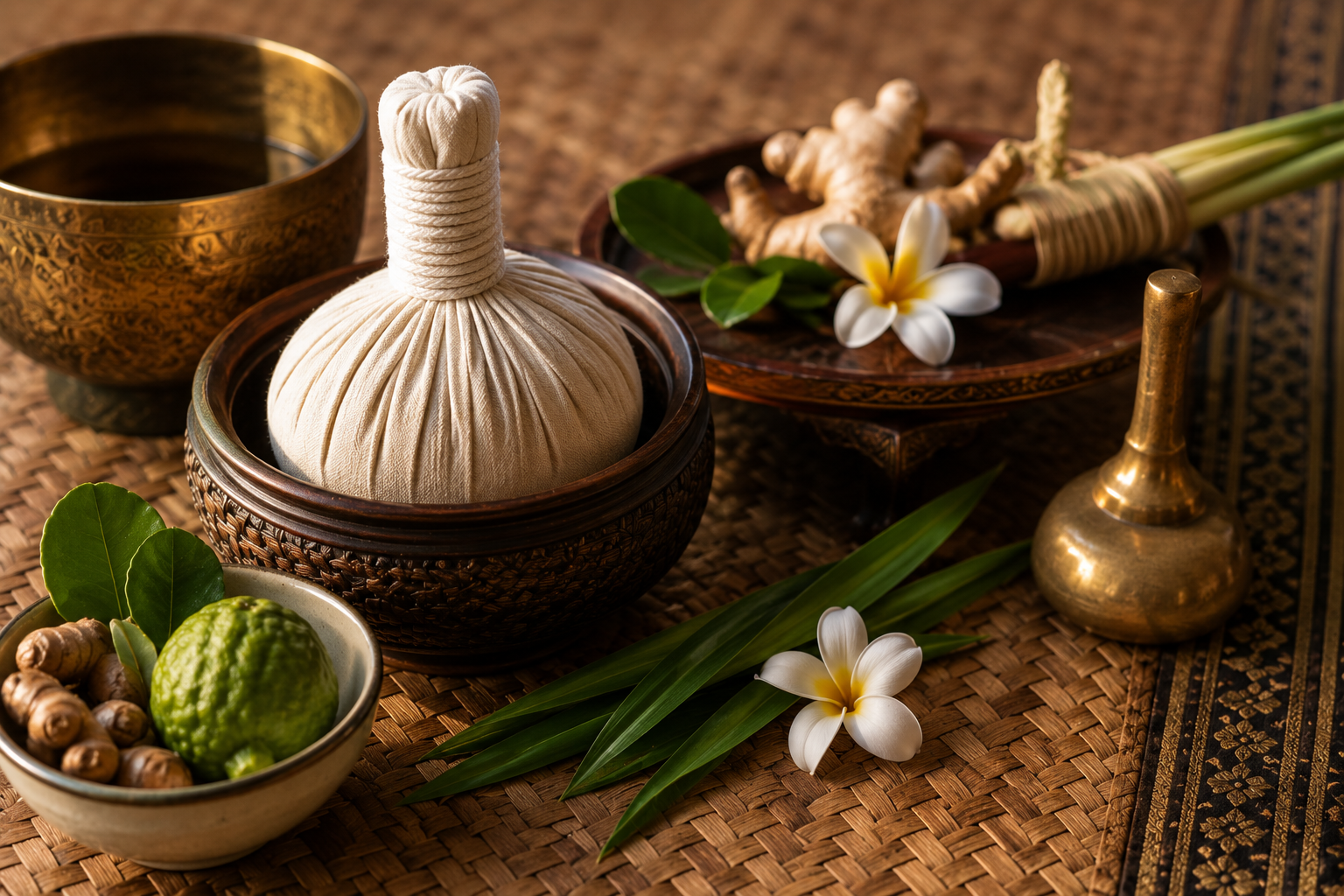
This is not accident. Northern Thai social norms still emphasise gradual relationships, the slow building of trust, the role of the host as someone who watches for what a guest might need before they ask. A hotel front desk in Chiang Mai will quietly note that you arrived tired, that you mentioned you might want to walk to a particular temple, that you asked about herbal compresses. Two days later the same desk will gently suggest a quieter route or a studio they know personally. It feels personal because it is.
The Food as a Form of Memory
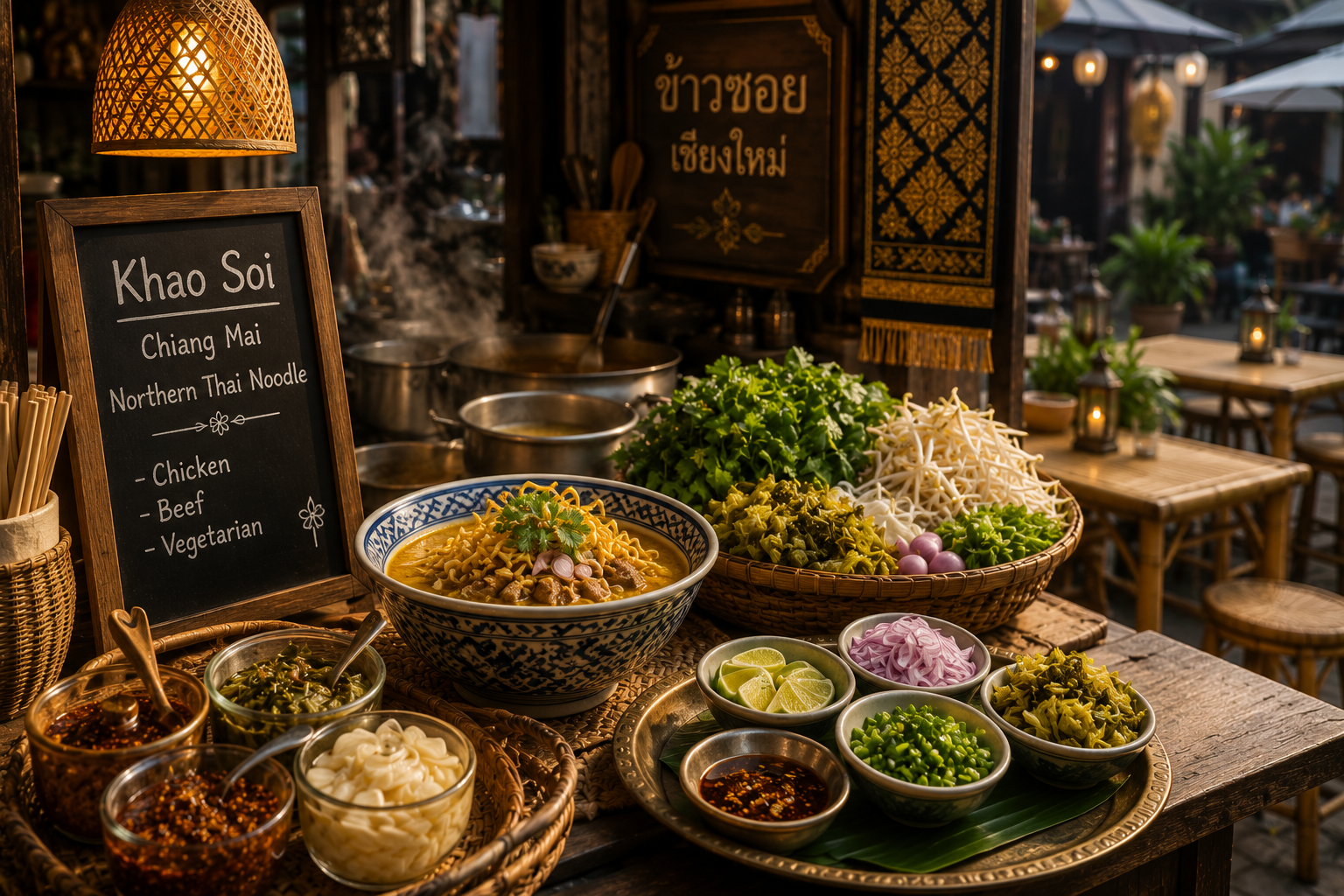
Lanna cuisine is the other place the old kingdom shows itself most clearly. The dishes are different from central Thai food — less sweet, more herbaceous, often built around fermented soybean discs and grilled river fish and the bitter young leaves of the northern forests. Khao soi, sai ua, nam phrik ong, gaeng hang lay — these are not specialities a restaurant pulls out for tourists. They are what northern households still eat.
What surprises many visitors is how often the more memorable meals happen outside formal restaurants. A guesthouse owner cooking lunch for guests. A coffee shop that quietly serves a single lunchtime curry from a pot in the back. A wellness retreat where the cook trained with her grandmother. The Lanna tradition treats feeding a guest as a small act of generosity that does not need to be monetised to count.
Architecture and Atmosphere
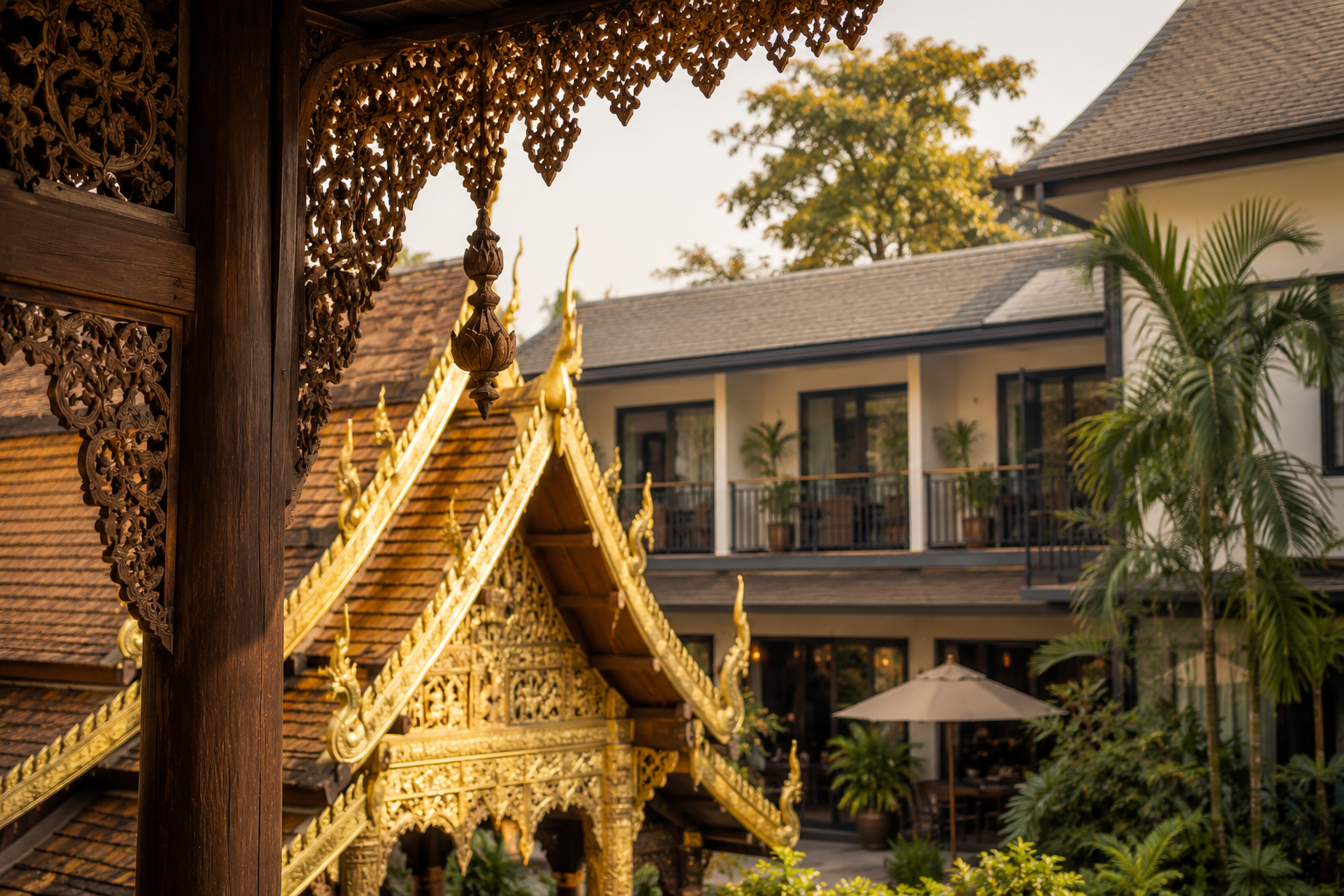
Walk through the old city or the converted warehouses east of the river and you will see Lanna architectural cues everywhere — raised wooden platforms, deep eaves, internal courtyards built around a single mature tree, dark teak walls warmed by terracotta floors. Modern Chiang Mai hospitality has absorbed these motifs almost completely. Even contemporary minimalist studios tend to keep one wooden screen, one courtyard, one slowness in the way a doorway opens.
The effect is cumulative. A traveller staying two weeks in Chiang Mai usually leaves with a memory not of any single venue but of an overall texture — warm wood, slow service, a feeling of being briefly held inside someone else's culture without being rushed back out.
What This Means for Visitors
The practical takeaway is small but worth saying. Chiang Mai rewards travellers who slow down to match its pace. The places that will treat you best are the ones where you take a moment to wai the staff back, to learn a few words of Thai, to sit with your tea instead of taking it to go. The hospitality is older than the tourist economy. It is happy to receive you. It just does not move at your speed.