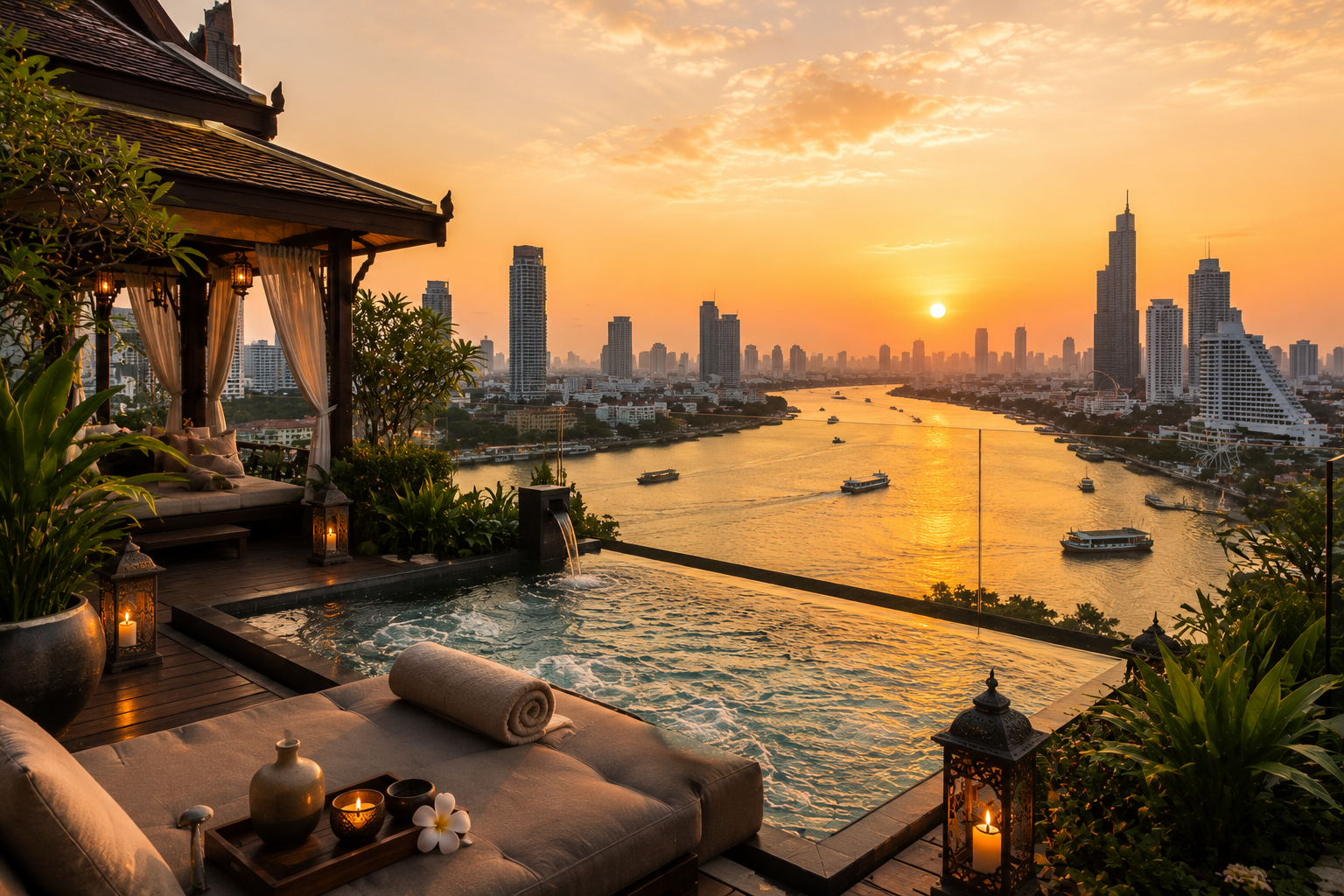
Five years ago, if you had asked international wellness magazines to name Asia's leading wellness cities, Chiang Mai would not have made the shortlist. Bangkok was on it for its spa hotels. Bali was on it for its yoga and retreat ecosystem. Kyoto sometimes appeared for its temples and onsen culture. Chiang Mai sat just off the map — known to long-stay travellers and digital nomads, but not yet legible to the broader wellness travel industry.
That has changed quietly. Visit any of the city's longer-running yoga shalas today and the demographic is noticeably wider than it was. Mid-fifties retreat travellers from Australia and Northern Europe. Wellness writers on assignment. Practitioners doing teacher trainings before flying on to the Bali circuit. The city has not actively rebranded. It has just been found.
What the City Already Had
Most of what is now being discovered was already in place. The Thai massage tradition is centuries old here. The forest temples around Doi Suthep and Doi Saket have hosted vipassana meditation retreats for foreigners since the 1980s. The herbal medicine knowledge encoded in Lanna culture is wide and still actively practised. None of this is new infrastructure. What is new is the layer of communication around it — English-language booking, designed studios, retreat packaging.
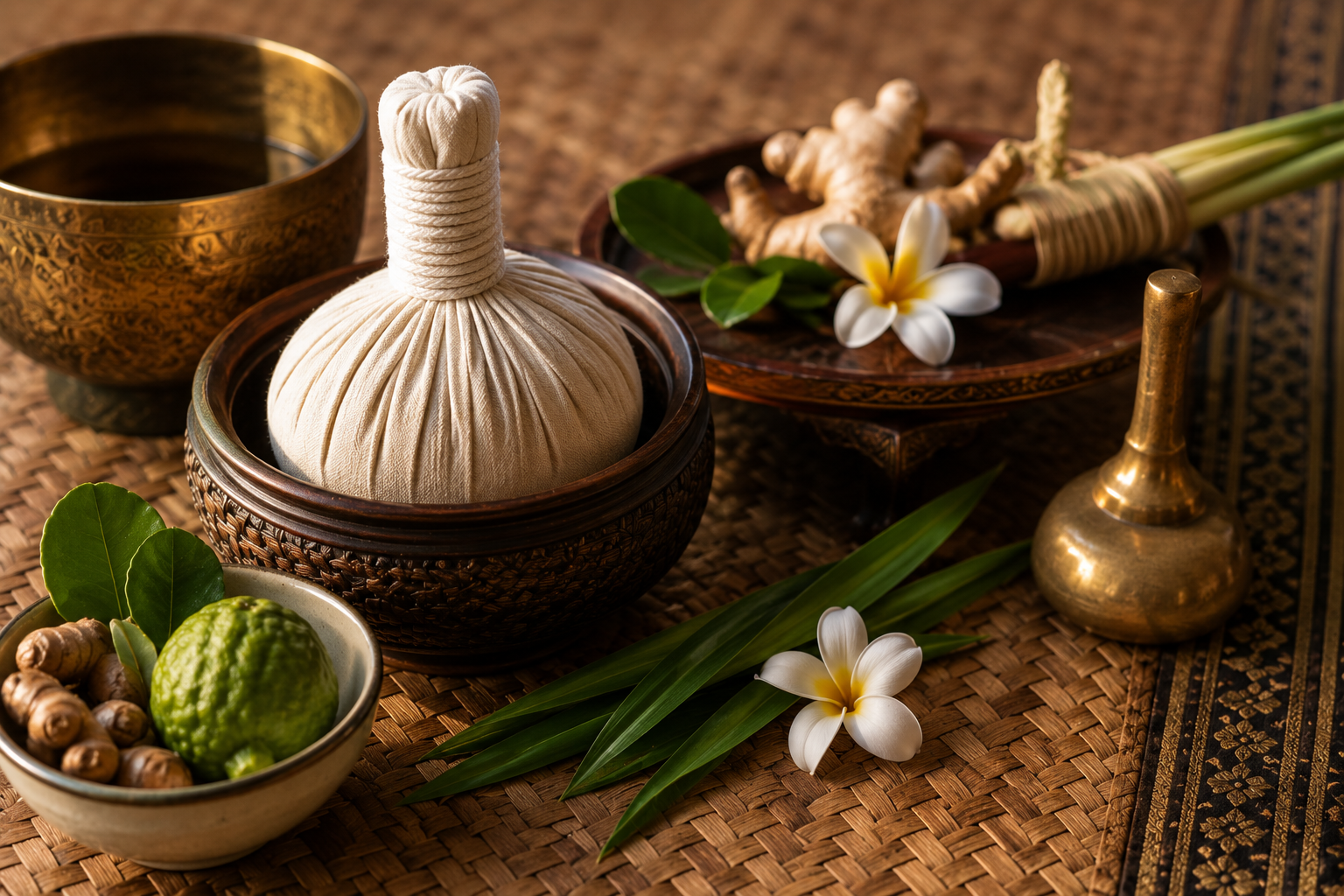
The result is that the city has gained a wellness visibility it did not have before, without losing most of the underlying authenticity that made it worth visiting in the first place. The herbal compresses at a Nimman spa are made from the same fresh ingredients that the village herbalists use. The vipassana retreats still run in genuine forest monasteries with genuine teaching lineages. The yoga teachers running studios in town have, for the most part, trained seriously and continue to study.
The Cost Factor
One reason Chiang Mai has scaled into a wellness destination ahead of more expensive cities is simply price. A week of yoga, two daily massages, three forest temple visits, and a quiet guesthouse with garden costs less here than three nights at a comparable hotel in Bali. For wellness travellers willing to do the cultural translation work, this represents a different kind of value proposition than the polished retreat economies further south.
The pricing has held remarkably steady. There has been some inflation at the high-end studios in Nimman, but the broader market — small family-run massage rooms, neighbourhood yoga, herbal pharmacies — has stayed in the same affordable range. The city has not yet become expensive, and the people running these places are not, by and large, trying to make it expensive.
The Forest Temple Connection
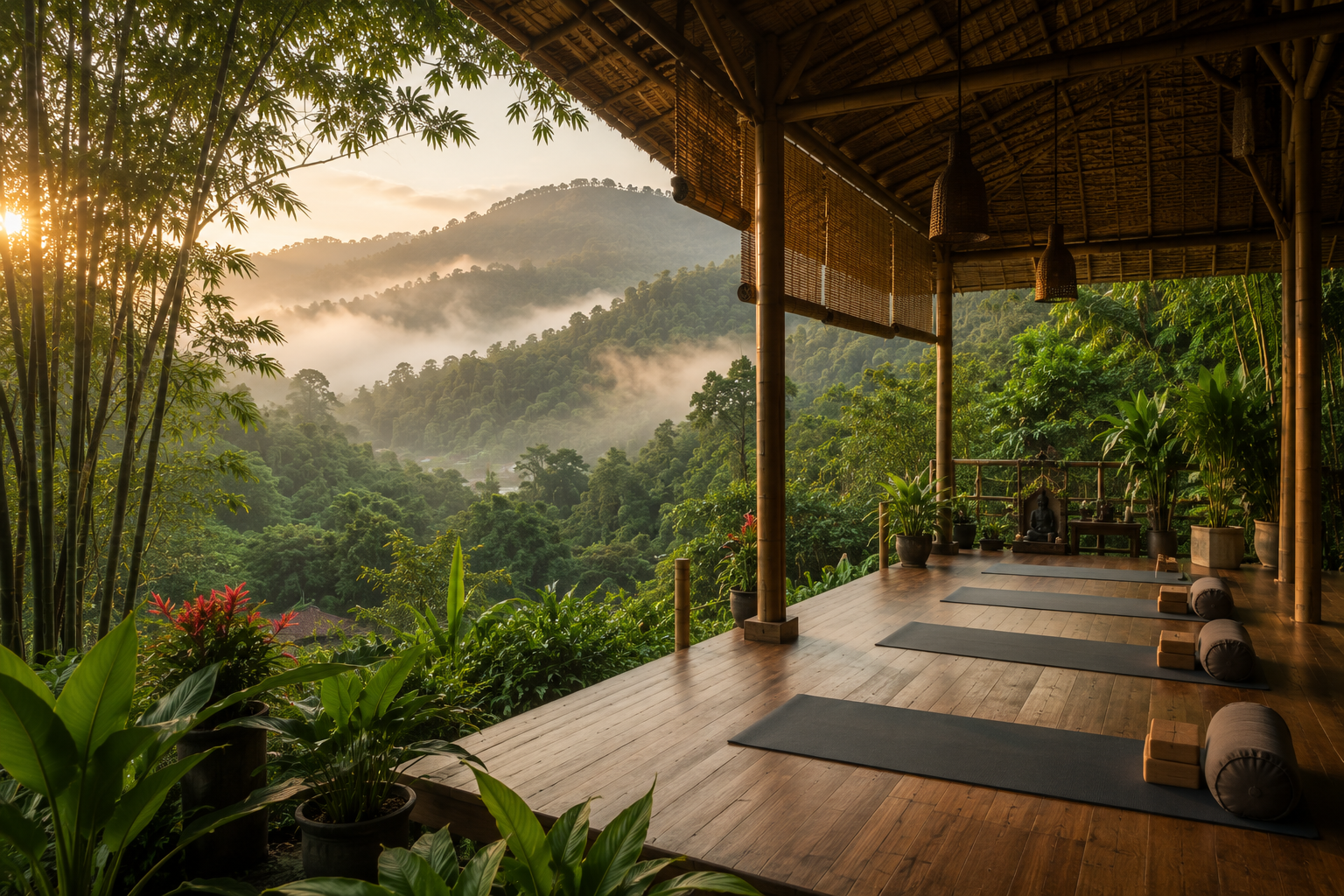
The single most underrated element of the Chiang Mai wellness landscape is the network of forest temples on the mountain ranges around the city. Several of these host meditation retreats for foreigners, usually free or by small donation, lasting anywhere from a long weekend to ten days. The conditions are simple. The teaching is direct. The setting is genuinely remote, often a forty-minute drive into hills covered in dense second-growth forest with a stream running through the temple grounds.
This is the part of the wellness scene that most rewards slowness. A short city visit cannot include a real forest retreat. A three-week stay can, and almost always changes the traveller in ways that the lighter end of the wellness market cannot. The temples are not advertising themselves. They are findable through word of mouth, through the studios, through other travellers. That, in some ways, is the truest signal that the wellness landscape here is real.
Where This Is Going
The likely future is moderate. Chiang Mai will not become Bali. The geography is wrong, the city is too far inland, and the culture is too quietly self-contained to pivot toward a full retreat economy. What it will do is keep absorbing slow wellness travellers, year after year, as a layered destination where the bodywork, the food, the climate, the temples, and the cost all work together to make a stay easy to extend. That is a small, sustainable version of a wellness destination. It happens to be the version the city is already shaped for.